Feasibility Study for “Establishment of Bir Protik Gazi Textile Engineering College, Rupganjâ€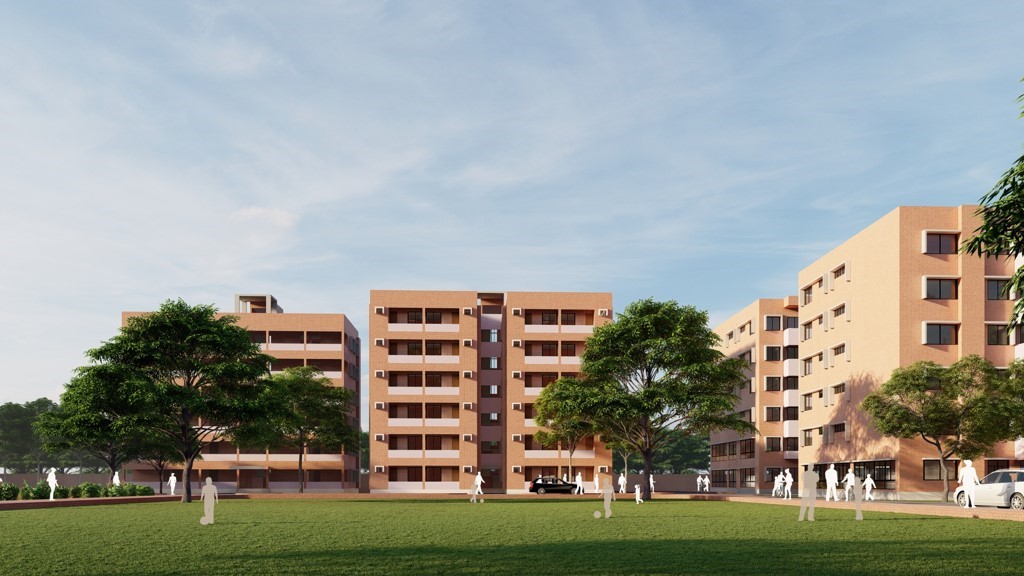 |
|
| Location | Rupganj, Narayanganj |
| Client | Department of Textiles |
| duration | September 2023 - February 2024 |
The feasibility study for the proposed Bir Protik Gazi Textile Engineering College, Rupganj was undertaken in response to the critical shortage of skilled human resources in Bangladesh’s textile and ready-made garments (RMG) sector. The Ministry of Textiles and Jute, through its sector-wide study titled “A Study on Textile Education Sector’s Long Term Development Plan Outlining the Strategies in Fulfilling the Local HR Demand by Involving Both Private and Public Sectors”, identified a substantial gap between demand and supply of qualified textile engineers. According to the study, approximately 55,370 textile engineers (B.Sc./M.Sc.) are currently employed in the local textile and RMG sector, while the annual demand stands at around 11,925, against a supply of only 5,600 graduates, resulting in an unmet demand of 6,325 engineers per year. To address this persistent gap and support the sustainable growth of the sector, the establishment of new Textile Engineering Colleges has been recognized as a national priority, with multiple public-sector initiatives underway. Within this context, the proposed Bir Protik Gazi Textile Engineering College aims to strengthen tertiary textile education, enhance industry-relevant skills, and contribute to long-term industrial competitiveness. The feasibility study provides a comprehensive, evidence-based foundation to guide government decision-making, investment planning, and implementation. Description of Actual Services Provided
Plancon contributed to the preparation of a comprehensive Feasibility Study Report in accordance with the latest NEC–ECNEC formats of the Planning Commission, covering the following key components: Technical Surveys & Planning
Design & Engineering
Technical, Financial & Economic Analysis
Institutional, Environmental & Strategic Assessment
Reporting & Documentation
|
|