Feasibility Study for the Development Project of University of Rajshahi.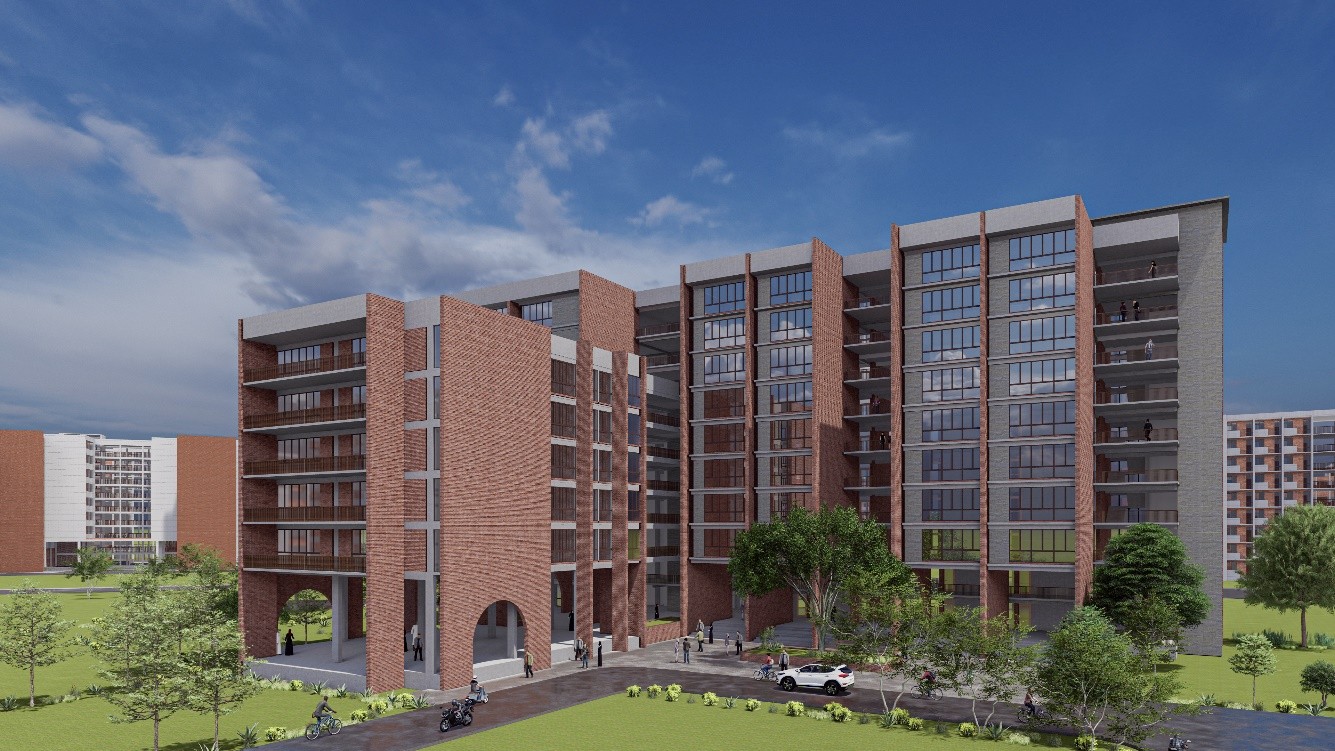 |
|
| Location | Motihar, Rajshahi |
| Client | University of Rajshahi |
| duration | February 2023 – July 2023 |
This consultancy project involves a comprehensive feasibility study for the planned expansion and long-term development of the University of Rajshahi campus. The study aims to support the University’s academic, research, administrative, residential, and student life facilities through efficient land use planning and sustainable campus development strategies. PLANCON provided multidisciplinary consultancy services including background studies, site assessment, digital and geotechnical surveys, stakeholder consultations, and preparation of a conceptual master plan. The assignment covered architectural, structural, electrical, and utility design concepts for a wide range of facilities such as academic and research buildings, administrative blocks, student halls, medical and veterinary facilities, transport and utility infrastructure, and campus circulation systems.
The project also included Environmental and Social Impact Assessments (EIA & SIA), preparation of BOQs and cost estimates, 3D conceptual visualization, and economic and financial feasibility analysis. Overall, the study supports the University of Rajshahi’s strategic vision for sustainable campus growth, improved academic infrastructure, and enhanced student and staff facilities. |
|